NFPA-Required Protection Devices for Wood Dust Collection Systems

Introduction

This document provides a comprehensive overview of the fire and explosion protection measures required for wood-dust collection systems, with particular emphasis on compliance with applicable National Fire Protection Association (NFPA) guidelines.

Its purpose is to identify and explain the principal safeguards used to reduce the risk associated with combustible wood dust, including explosion venting on the dust collector, a No Return Valve (NRV) for explosion isolation, a spark detection and suppression system, and an abort damper where filtered air is recirculated back into the building.

The document combines equipment specifications, installation requirements, system drawings, and NFPA references to demonstrate how these devices work together as an integrated protection strategy rather than as independent accessories. This is particularly important because combustible wood dust can create both fire and deflagration hazards within dust collectors and interconnected ductwork; where such hazards exist, NFPA 660 requires appropriate explosion protection and isolation to help prevent flame and pressure from propagating through connected equipment and into occupied work areas.

The explosion vent provides a controlled means of relieving deflagration pressure in accordance with the principles of NFPA 68, while the NRV provides passive explosion isolation in accordance with NFPA 69, helping prevent an explosion originating in the collector from propagating upstream through the duct system.

Spark detection and suppression further reduce risk by detecting potential ignition sources traveling through the ductwork and activating extinguishing measures before they reach the dust collector, while an abort damper provides an additional layer of protection on applicable air-recirculation systems by diverting potentially hazardous air and burning material to the atmosphere rather than allowing it to return to the building.

Collectively, these measures are important not only for NFPA compliance, but also for protecting personnel, equipment, and the facility from the potentially severe consequences of combustible-dust fires and explosions.

The information contained in this document should therefore be considered an important basis for the proper selection, design, installation, interconnection, and operation of the dust-collection safety equipment, subject to the applicable hazard analysis, manufacturer requirements, and approval of the Authority Having Jurisdiction (AHJ).

Explosion Vent on Dust Collector

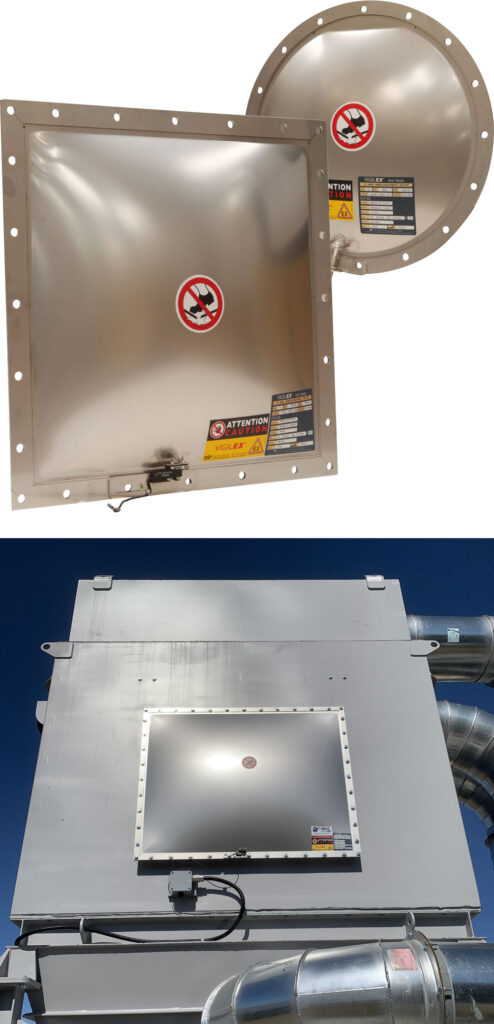
Domed Explosion Vent Panel : Vacuum resistance : 3 psi / 83’’ w.g.

The Domed Explosion Vent Panel VD is specifically
designed for high negative pressure applications
and installations where high psi pulse cleaning
mechanisms could cause metal fatigue over time.
The dome design is optimal for Hi-Vac filter systems
where explosion relief venting is required. Typical
applications included dust collector filters, cyclones,
and high pressure vessels.


The Domed Explosion Vent Panel VD is pressure
tested and certified in compliance with a variety
of test standards. It is ideal for OEM and retrofit
applications. It is easy to install with premium
gaskets and integral flanges.


Standard burst pressure is 1.45 psi / 0.1 bar.
Application specific burst pressures between
1.45 psi up to 7 psi are available for special orders.

No Return Valve (NRV) in Inlet Duct

No Return Valve Combo/Metal

Specifications

  • ATEX Certified; NFPA 69 Compliant
  • Heavy Duty Welded Steel Construction
  • Epoxy Powder Coated Safety Red Finish
  • Flanged Inlet and Outlet with Co-Flanges
  • Grounding Lugs
  • Locking Mechanism

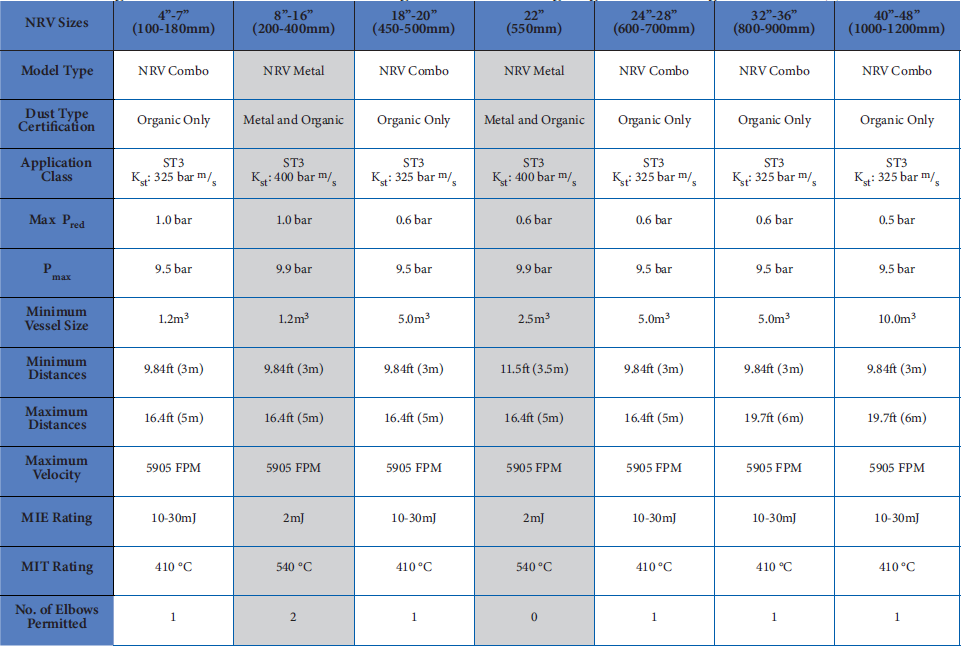
NRV Combo Rated for:

  • Class ST 3 Applications
  • Kst max: 325 bar m/s
  • Pred max: 1.0 bar (4”-7”) 0.6 bar (8”- 36”) 0.5 bar (40”- 48”)
  • Certification EN 16447

NRV Metal Rated for:

  • Metallic and organic dusts
  • Class ST 3 Applications
  • Kst max: 400 bar m/s
  • Pred max: 1.0 bar (8”-16”) 0.6 bar (22”)
  • Certification EN 16447

NRV Combo/Metal Specifications (NRVC/M Ø)

Standard Features (All Sizes)

Heavy Duty Welded Steel Construction | Epoxy Powder Coated Safety Red Finish | Flanged Inlet and Outlet with Co-Flanges | Grounding Lugs | Locking Mechanism(s) 

NRVC/M Specifications

Certified ATEX EN16447 | NFPA 69 Compliant | Horizontal Duct Only | Pull Flow Only 

NRV Combo Specifications (EM-NRVC Ø) Cont.

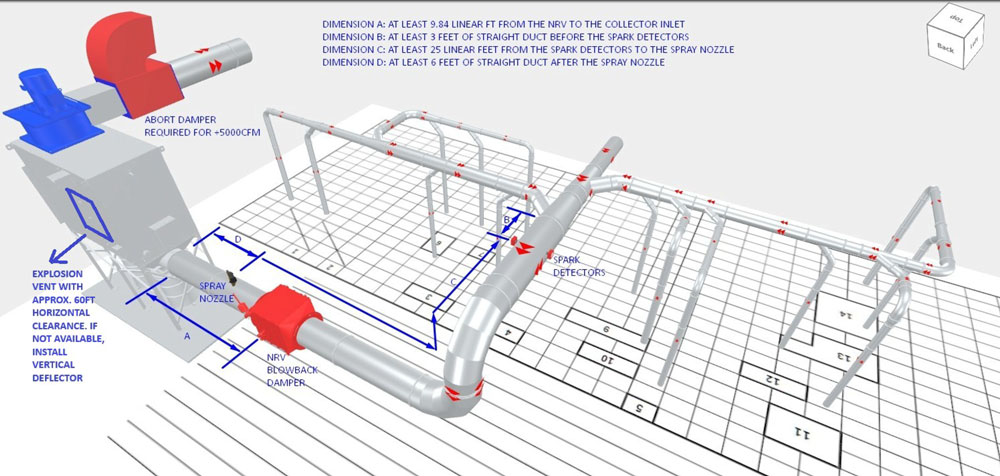
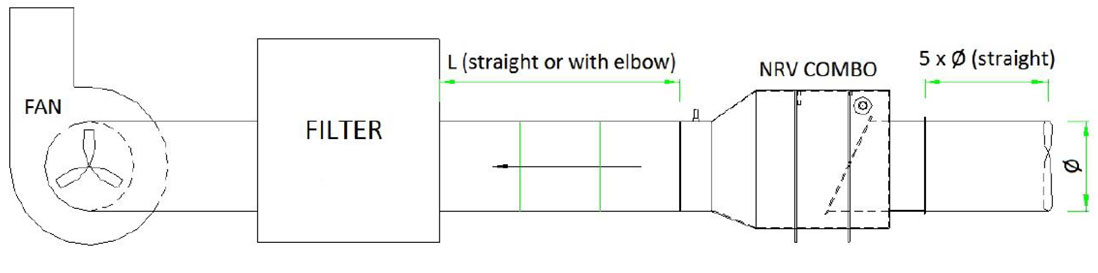
Installation of the NRV Combo can include an (1) elbow between the valve and the filter. Must have 5x diameter straight duct upstream of the valve. See image below.

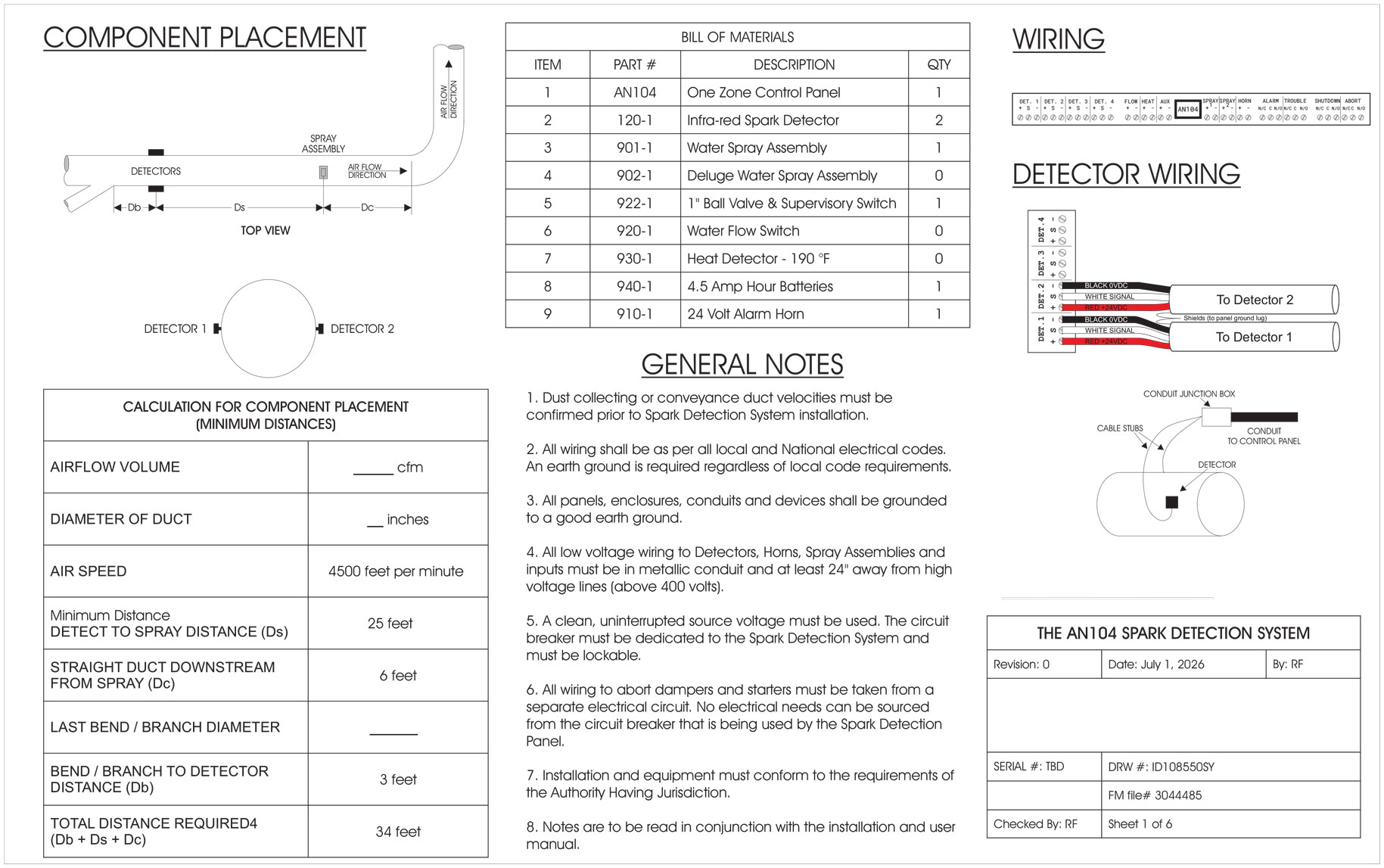
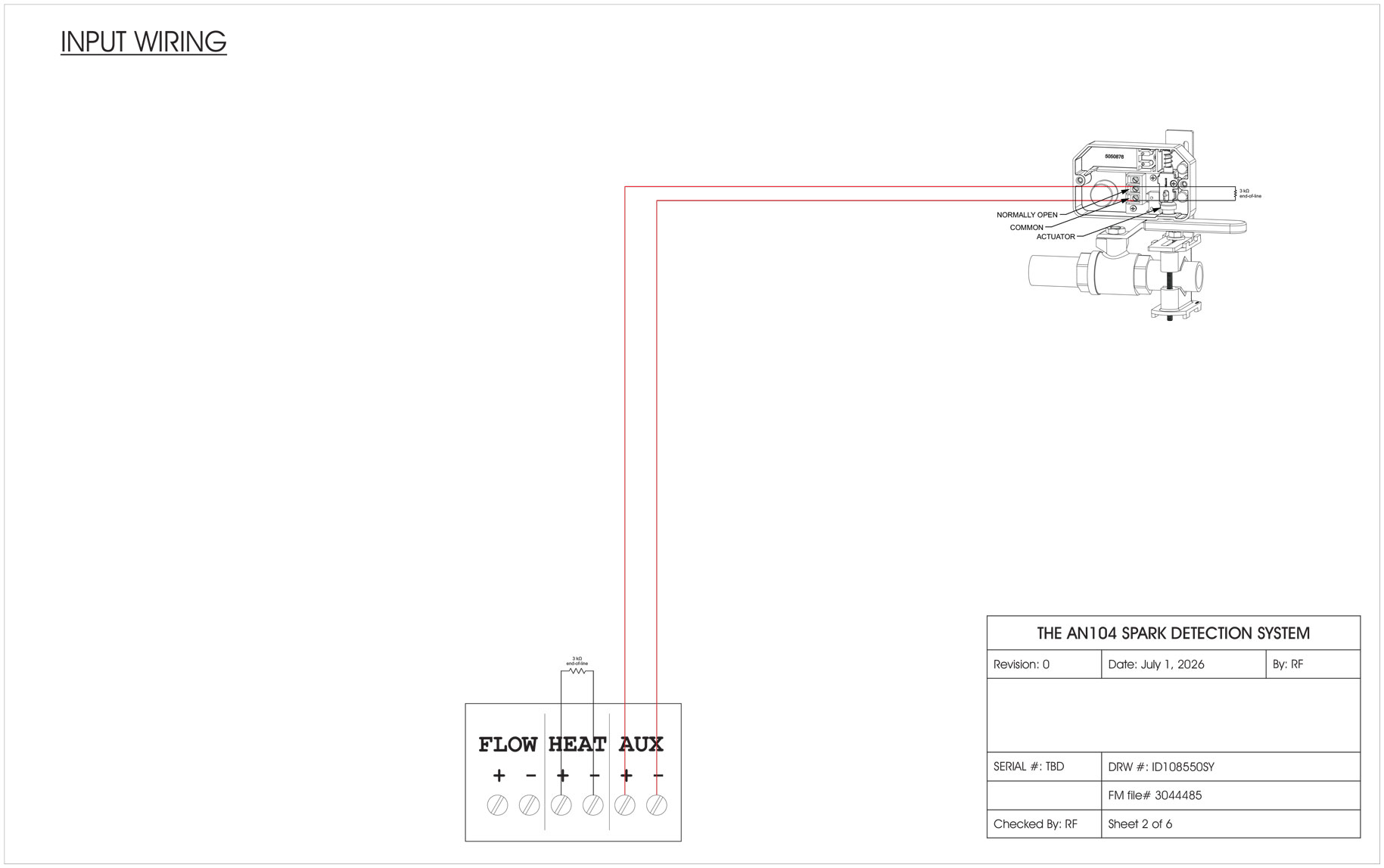
Spark Detection & Suppression System in Inlet Duct

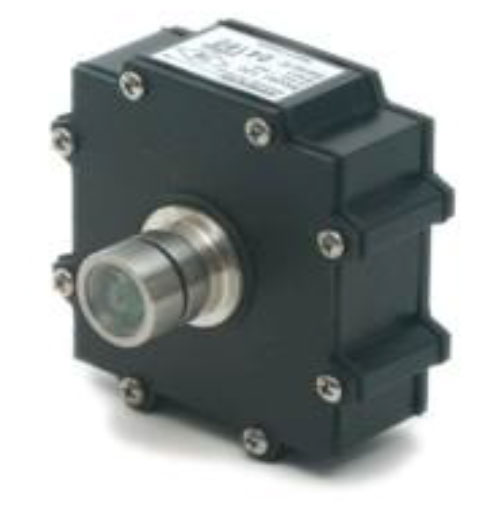
120-1 OPTICAL SPARK DETECTOR

The 120-1 detector provides fast response, high sensitivity, and flexible
output options to meet application needs. NEMA 4 rated enclosure
ensures detector works in many environments reliably. Simple mounting
system makes installation and maintenance easy.

The 120-1 Detector is a fast response spark detector that monitors visible to near-infrared light.

Ideal in such industries as:

  • Pulp/paper industries
  • Wood processing
  • Food
  • Pharmaceutical

Features

  • Fast response times of 0.5 ms
  • High sensitivity of 0.1 W/cm2
  • NEMA 4 rated enclosure for indoor and outdoor applications
  • Sensitivity testing
  • Simple connector and cabling requirements.
  • Simple mounting flange makes it easy to install and clean
    detectors

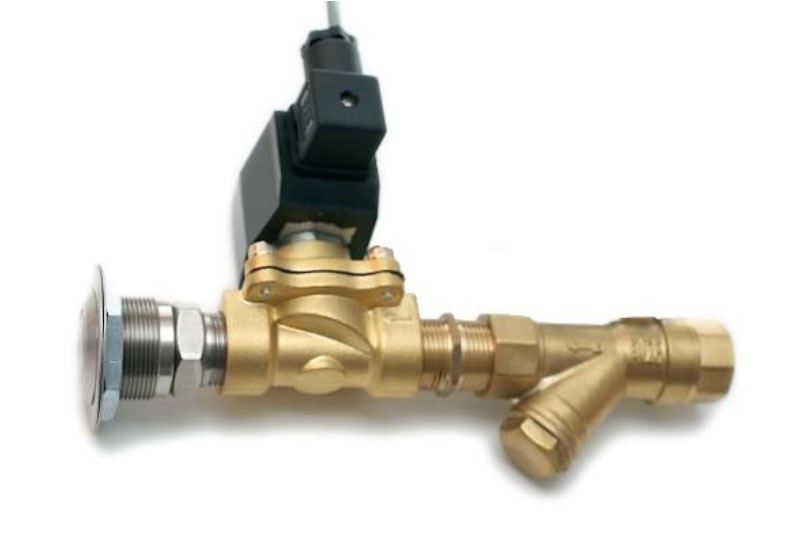
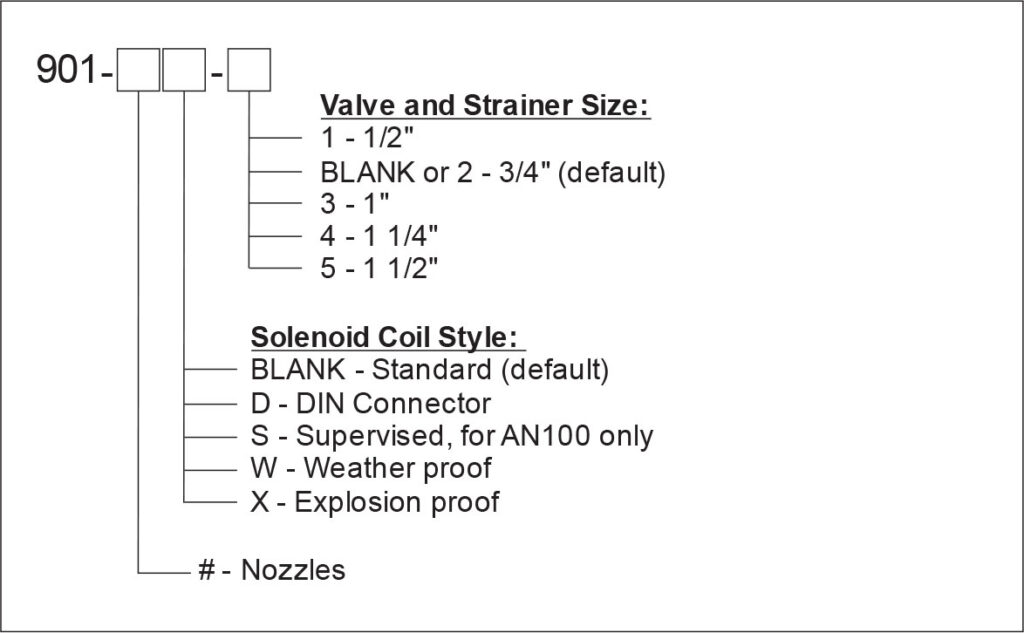
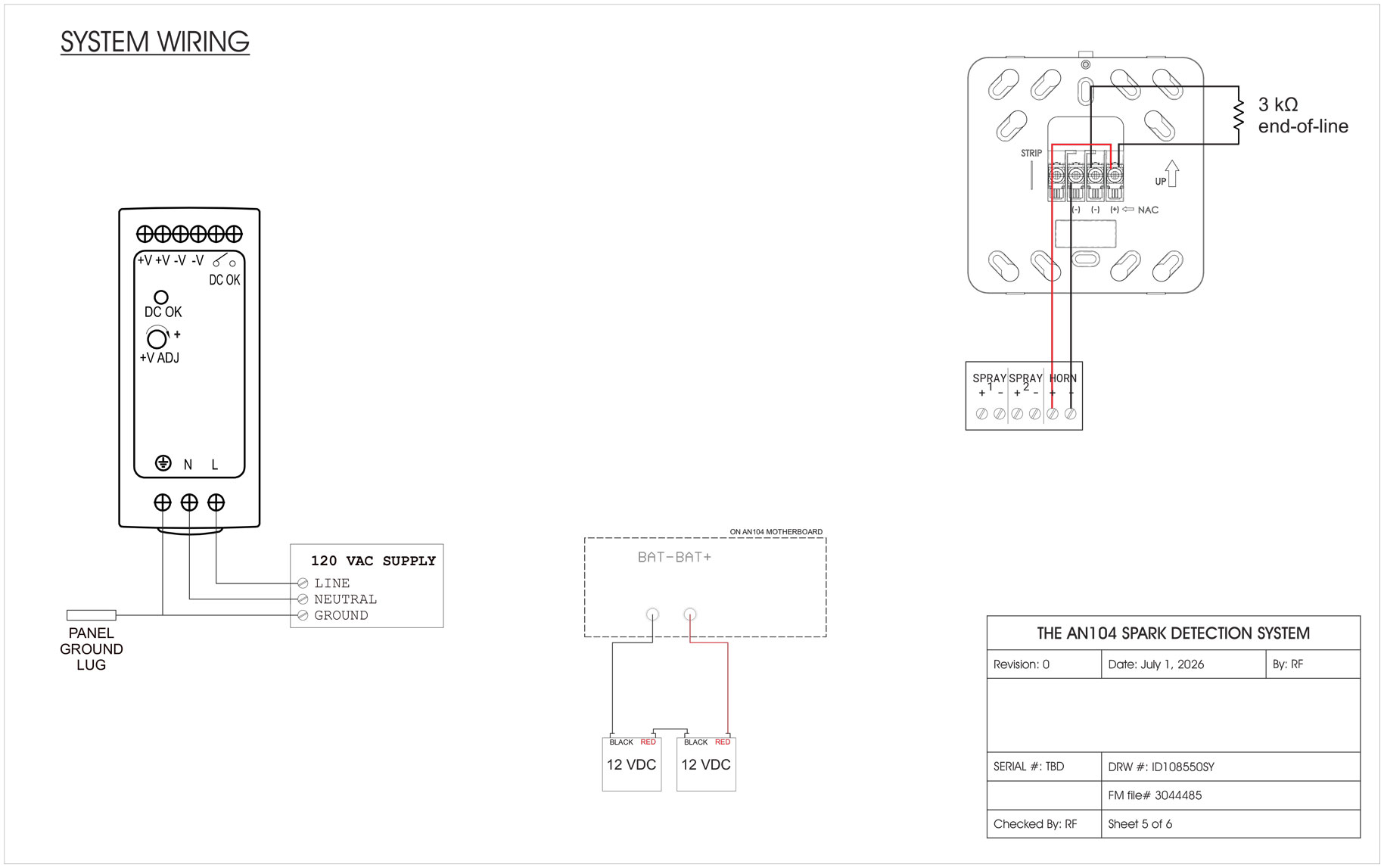
901-1 Spray Assembly

The 901-1 Spray Assembly is used in conjunction with Hansentek
panels to provide water suppression.

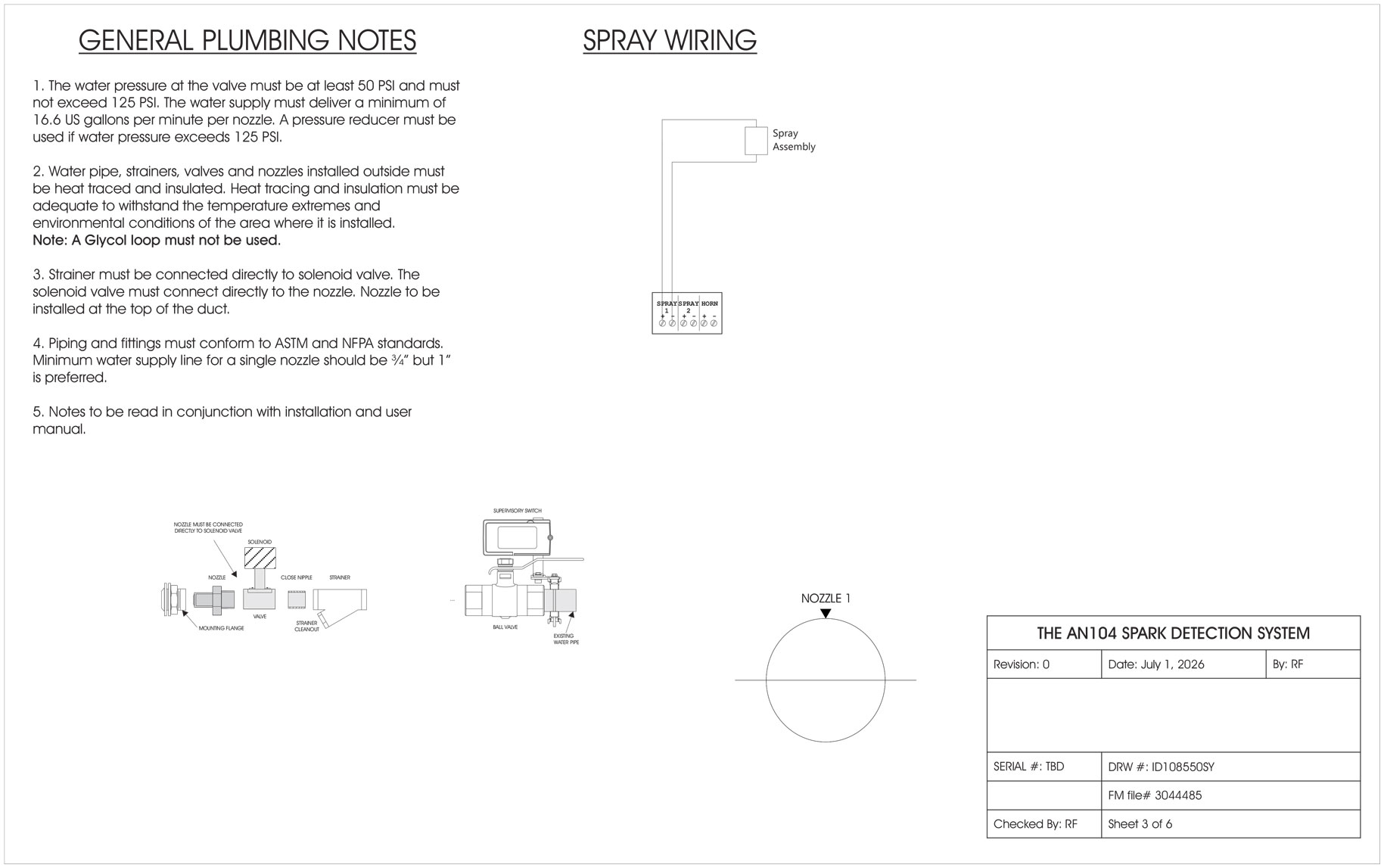
A strainer is provided that should be installed directly to the
solenoid valve.

The solenoid valve should be connected directly to the nozzle which
is normally installed at the top of the duct.

The 901-1 is a water spray assembly for use with a Hansentek Spark Detection System.

Features

  • Simple mounting flange makes installation easy
  • Standard 3/4″ NPT fittings

Options

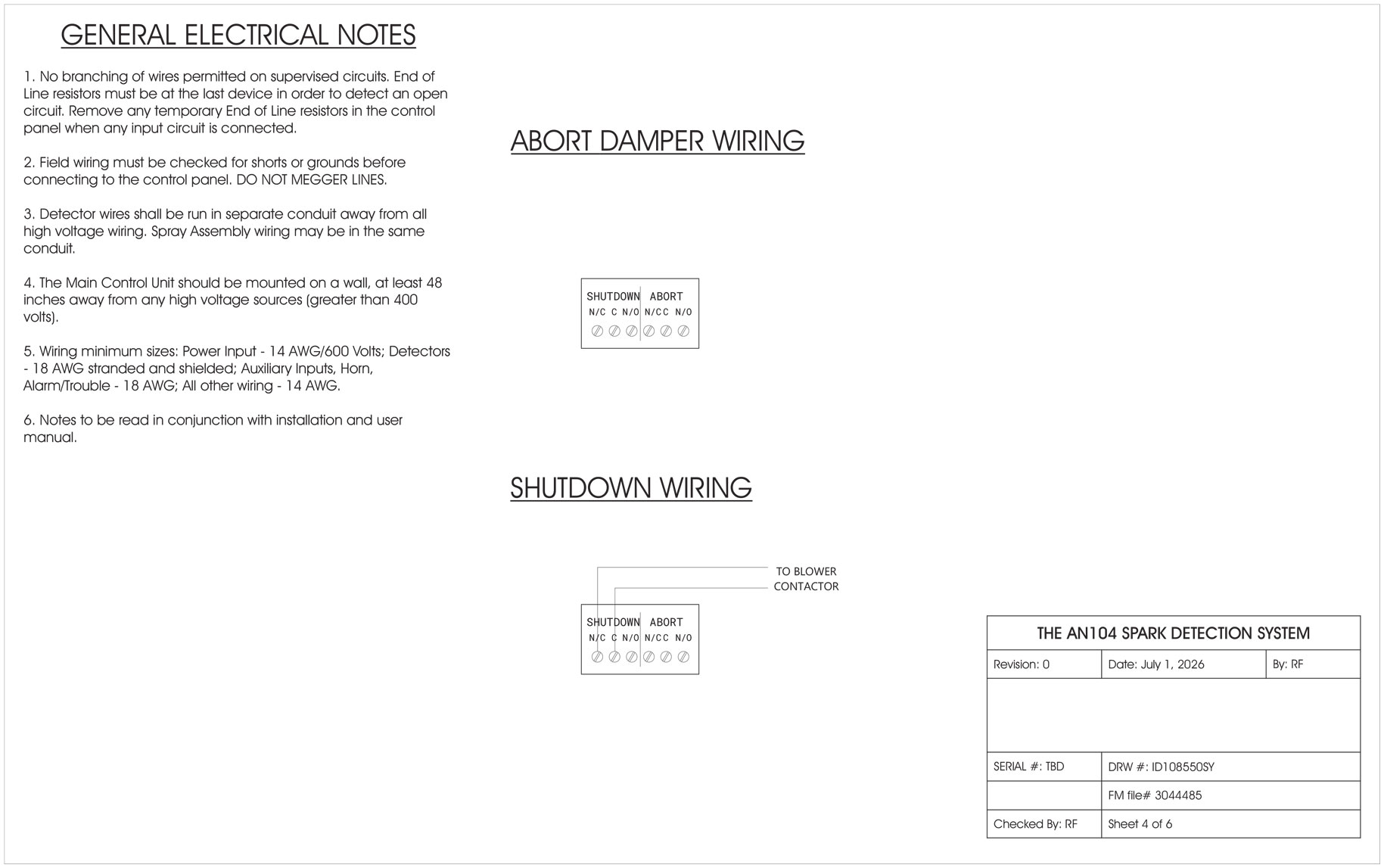
Abort Damper (if filtered air is recirculated and above 5000cfm)

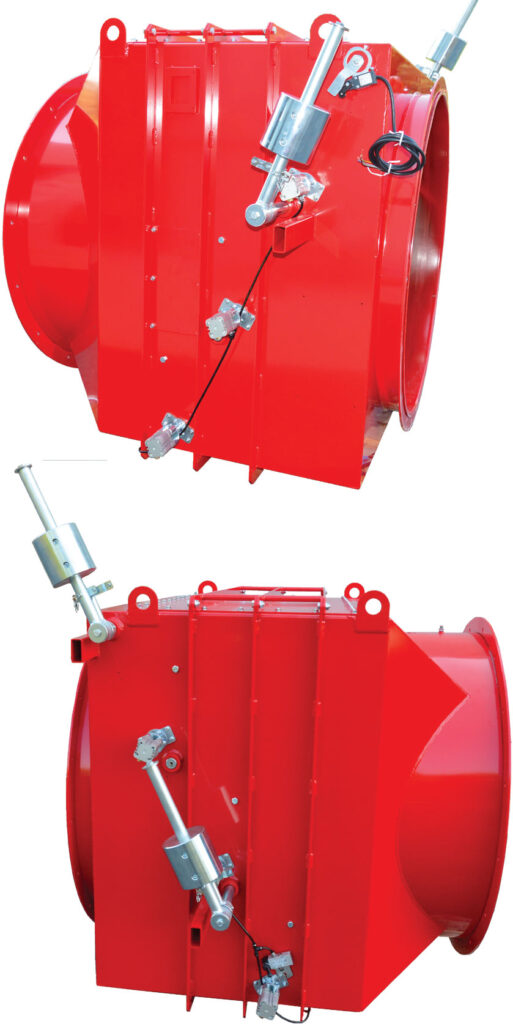
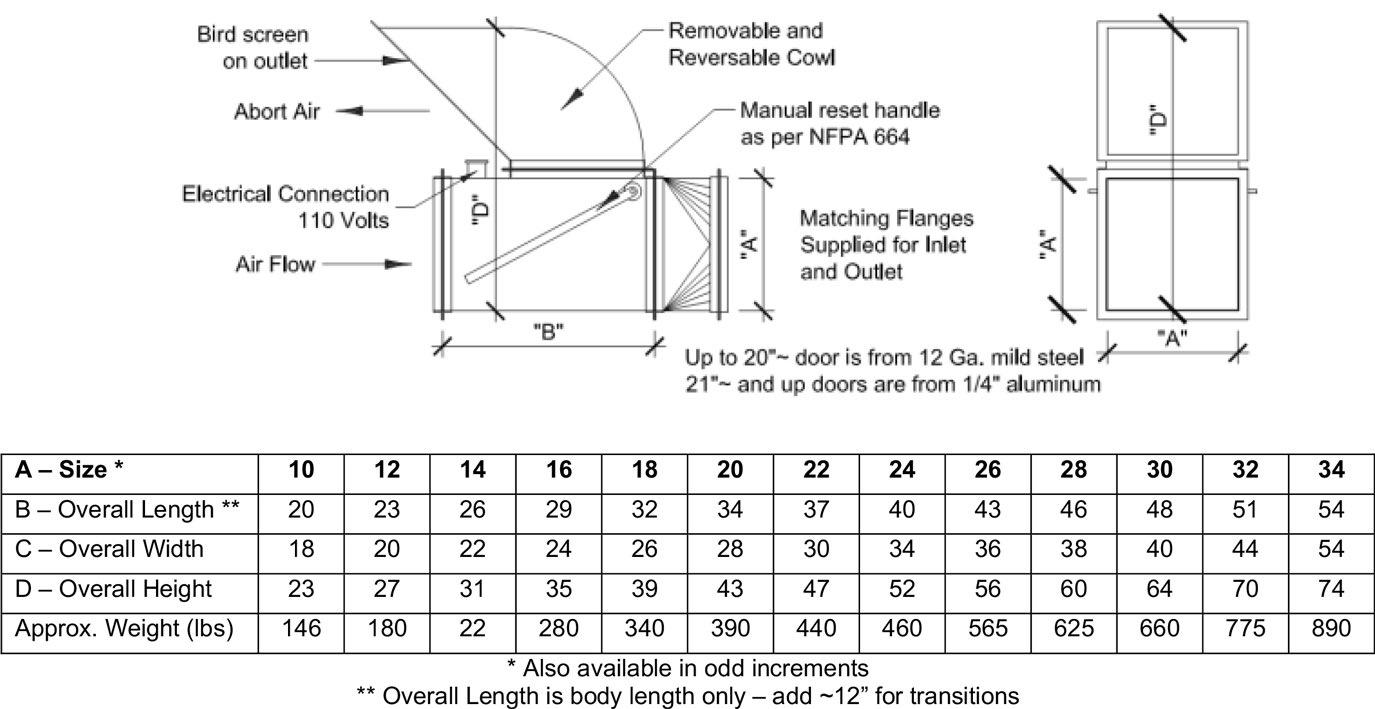
The Hansentek high speed Abort Gate is used prior to returning air from the dust collector back into the building. In the event of an explosion, the purpose of the Abort Gate is to redirect flames and pressure to the atmosphere, protecting personnel and the building.


The Abort Gate is controlled by an electrical signal generated by a spark detection system. The electrical signal releases the latching device, allowing the gate to open to the atmosphere. The gate is reset by a manual handle as per NFPA Code 664 (8-4).


Features of a Hansentek Abort Gate include:

  • 110V A.C. power input
  • Square or round inlet and outlet
  • Reversible outlet cowl
  • Bird screen on outlet cowl
  • Rubber seal on door frame to create an air tight seal
  • Can be used on positive or negative pressure ducting
  • Heavy duty reinforced construction
  • Custom sizes to suit – up to 72” sizes available
  • Reversible reset handles

REFERENCES

NFPA 660®, Standard for Combustible Dusts® (Quincy: National Fire Protection Association, 2025)

NFPA 68®, Standard on Explosion Protection by Deflagration Venting (Quincy: National Fire Protection Association, 2023)

NFPA 69®, Standard on Explosion Prevention Systems (Quincy: National Fire Protection Association, 2024)

What is NFPA?

  • The National Fire Protection Association (NFPA) develops consensus codes and standards intended to reduce the risk of fire,
    explosion, and related hazards.
  • NFPA standards are adopted or referenced by regulatory authorities and industries worldwide.
  • Many insurance companies use NFPA standards when evaluating combustible-dust hazard mitigation and determining facility
    insurance coverage.

NRV (No Return Valve)

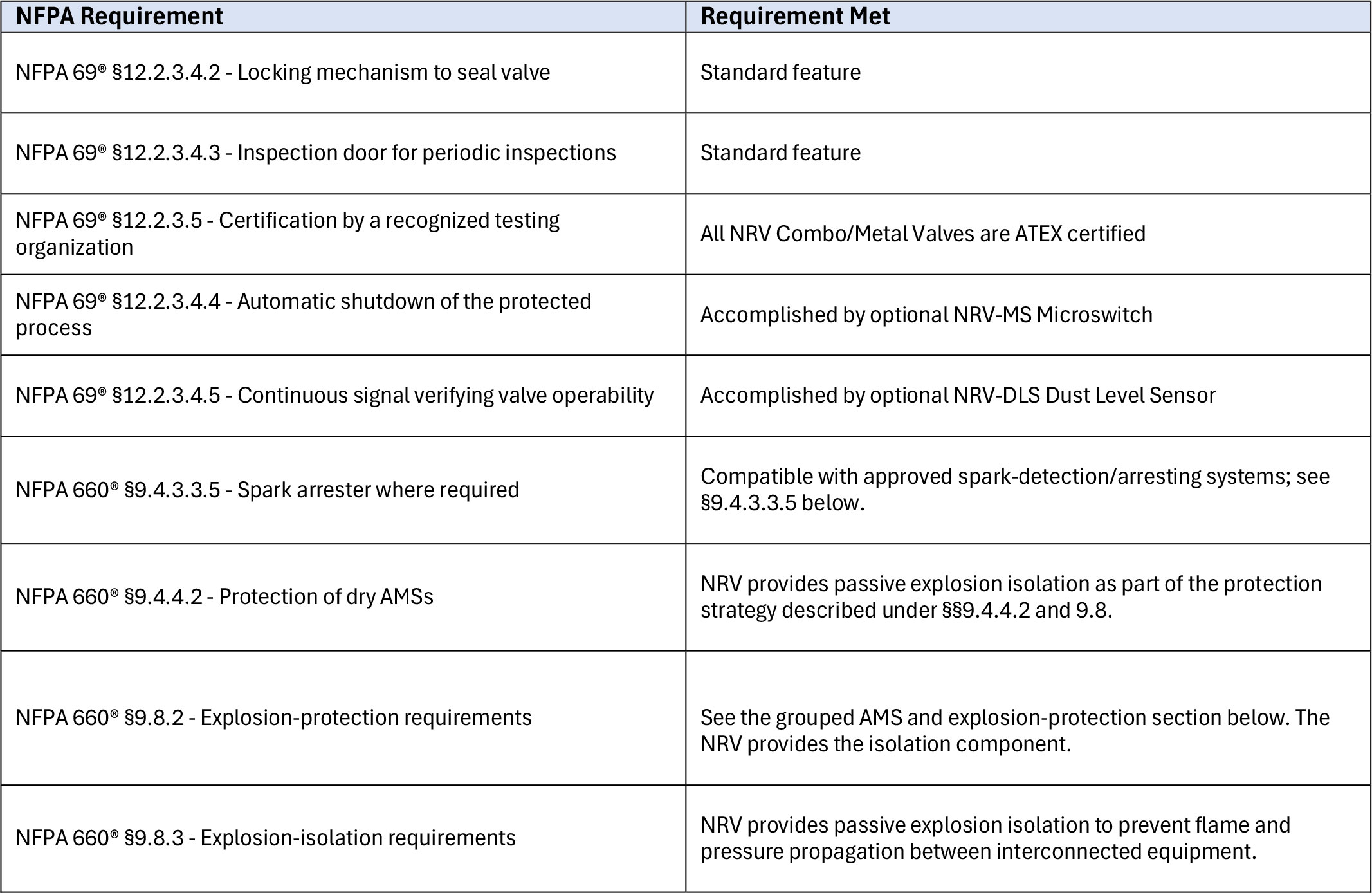
The NRV meets the applicable requirements of NFPA 69® (2024 edition) for passive explosion isolation and supports compliance with NFPA 660® (2025 edition) explosion-isolation requirements when installed in accordance with the manufacturer’s certification and installation instructions.

KEY CONSIDERATIONS:

NFPA 660®, Standard for Combustible Dusts® (Quincy: National Fire Protection Association, 2025)

Chapter 9: Hazard Management: Mitigation and Prevention

9.8.3 – Explosion Isolation and NRV Application
Where a dust-explosion hazard exists, explosion isolation shall be provided to prevent flame and pressure propagation between interconnected equipment.

9.8.3.1 – Explosion Isolation
Where a combustible-dust explosion hazard exists, isolation devices shall be installed in accordance with NFPA 69® to prevent flame and pressure propagation between interconnected equipment.

9.8.3.2 – Isolation Exceptions
Isolation devices are not required where the oxidant concentration has been reduced in accordance with NFPA 69®, or where the dust has been rendered noncombustible using an approved method.

9.8.3.3 – Ductwork Isolation
Where a combustible-dust explosion hazard exists, isolation devices shall prevent flame and pressure propagation from process equipment through connected ductwork into work areas.

NFPA 69®, Standard on Explosion Prevention Systems (Quincy: National Fire Protection Association, 2024)

Chapter 12: Deflagration Control by Passive Isolation

Section 12.2.3.2 requires that, upon detection of an explosion, the valve close automatically due to the pressure wave preceding the flame front. The NRV performs this passive isolation function when selected, installed, inspected, and maintained in accordance with its certification and the applicable NFPA requirements.

Spark Detection & Suppression

NFPA 660®, Standard for Combustible Dusts® (Quincy: National Fire Protection Association, 2025)

Chapter 9: Hazard Management: Mitigation and Prevention

9.4.3.3.5 – Spark Detection / Spark Arresting
Where required by the hazard analysis, spark arrestors or equivalent spark-mitigation methods shall be provided to reduce ignition sources entering combustible-dust collection systems. Dust-collection systems handling processes capable of generating sparks, flames, or hot material shall include a means of preventing these ignition sources from entering the Air Material Separator (AMS) or interconnected ductwork.

Typical methods include:

  • Listed spark-detection and extinguishing systems
  • Listed spark-detection systems actuating a high-speed abort gate

These measures reduce ignition hazards but are not explosion-isolation systems. The NRV complements them by providing passive explosion isolation between interconnected equipment. Explosion-protection requirements must still be evaluated in accordance with Section 9.8.

Explosion Venting

NFPA 660®, Standard for Combustible Dusts® (Quincy: National Fire Protection Association, 2025)

Chapter 9: Hazard Management: Mitigation and Prevention

9.4.4.2 and 9.8 – Dry Air Material Separators and Explosion Protection
Dry Air Material Separators (AMSs) with a dirty-side volume greater than 8 ft³ (0.2 m³) that present a combustible-dust explosion hazard shall be protected using an approved explosion-protection method.

9.8.1 – General
Where a combustible-dust explosion hazard exists within an enclosure, explosion-protection measures shall be provided to protect personnel and equipment.

9.8.2 – Equipment Protection
Equipment with an internal or dirty-side volume greater than 8 ft³ (0.2 m³) handling combustible dust shall be protected against the effects of an explosion where a dust-explosion hazard exists, using methods acceptable under NFPA 69® or other applicable standards.

9.8.2.2 – Approved Protection Methods
Explosion-protection systems shall incorporate one or more of the following methods:

  • Oxidant-concentration reduction in accordance with NFPA 69®
  • Deflagration venting in accordance with NFPA 68®
  • Flame-arresting vent devices in accordance with NFPA 68®
  • Deflagration pressure containment in accordance with NFPA 69®
  • Deflagration suppression systems in accordance with NFPA 69®
  • Dilution with a noncombustible dust to render the mixture noncombustible

9.8.2.3 – Design Requirements
Protected equipment and interconnected systems shall be designed to withstand the pressures generated during a deflagration event.

9.8.2.4 – Fire and Explosion Hazards
Where both explosion and fire hazards exist within an Air Material Separator (AMS), protection shall be provided for both hazards.

Abort Damper

NFPA 660®, Standard for Combustible Dusts and Particulate Solids (Quincy: National Fire Protection Association, 2025)

Chapter 24: Wood Processing and Woodworking

Filtered exhaust air may be recirculated back into the building provided the concentration of combustible particulate solids in the recycled air remains below the applicable industrial hygiene exposure limits, in accordance with Section 24.9.4.4.6.1. Where the air originates from air-material separators or dust collectors that present a fire hazard, the system must comply with the applicable requirements of Section 24.9.4.4.6.2.

  • For dust collection systems with a capacity of 5,000 cfm (2.36 m³/s) or less, the system must either:
    • be equipped with a listed spark detection system connected directly to a listed spark extinguishing system, or 
    • meet the protection requirements specified in Section 24.9.4.4.6.2(B).
  • For dust collection systems with a capacity greater than 5,000 cfm (2.36 m³/s), the system must include:
    • a listed spark detection system installed upstream and downstream of the dust collector (or on the exhaustside, as applicable),
    • a high-speed abort gate that diverts burning material to the atmosphere before it can enter the building, and 
    • a manually resettable abort gate that cannot be reset automatically or remotely.

Subscribe to our newsletter

CONTACT OUR APPLICATION ENGINEERING TEAM

Share on social media

Facebook
LinkedIn