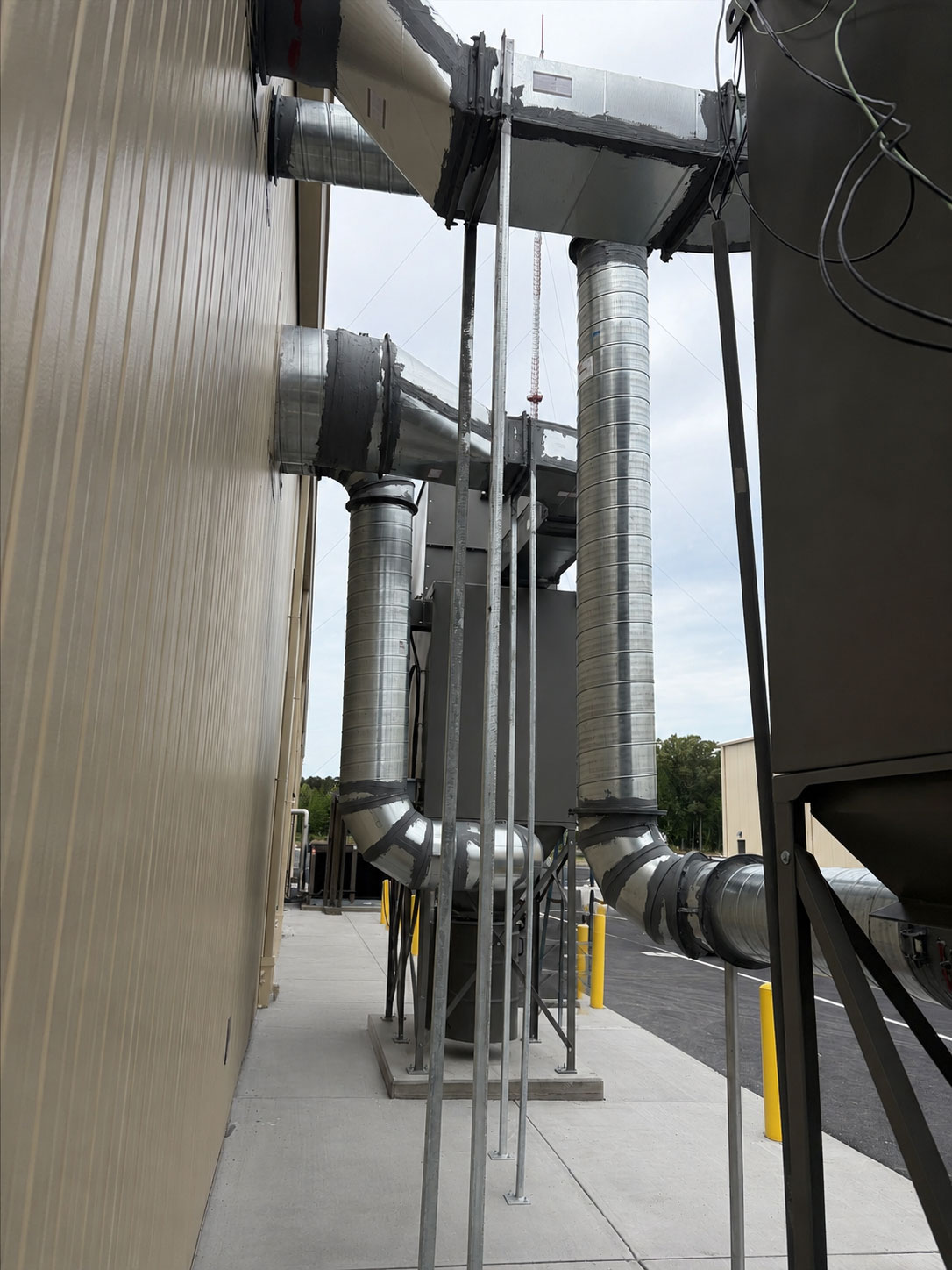
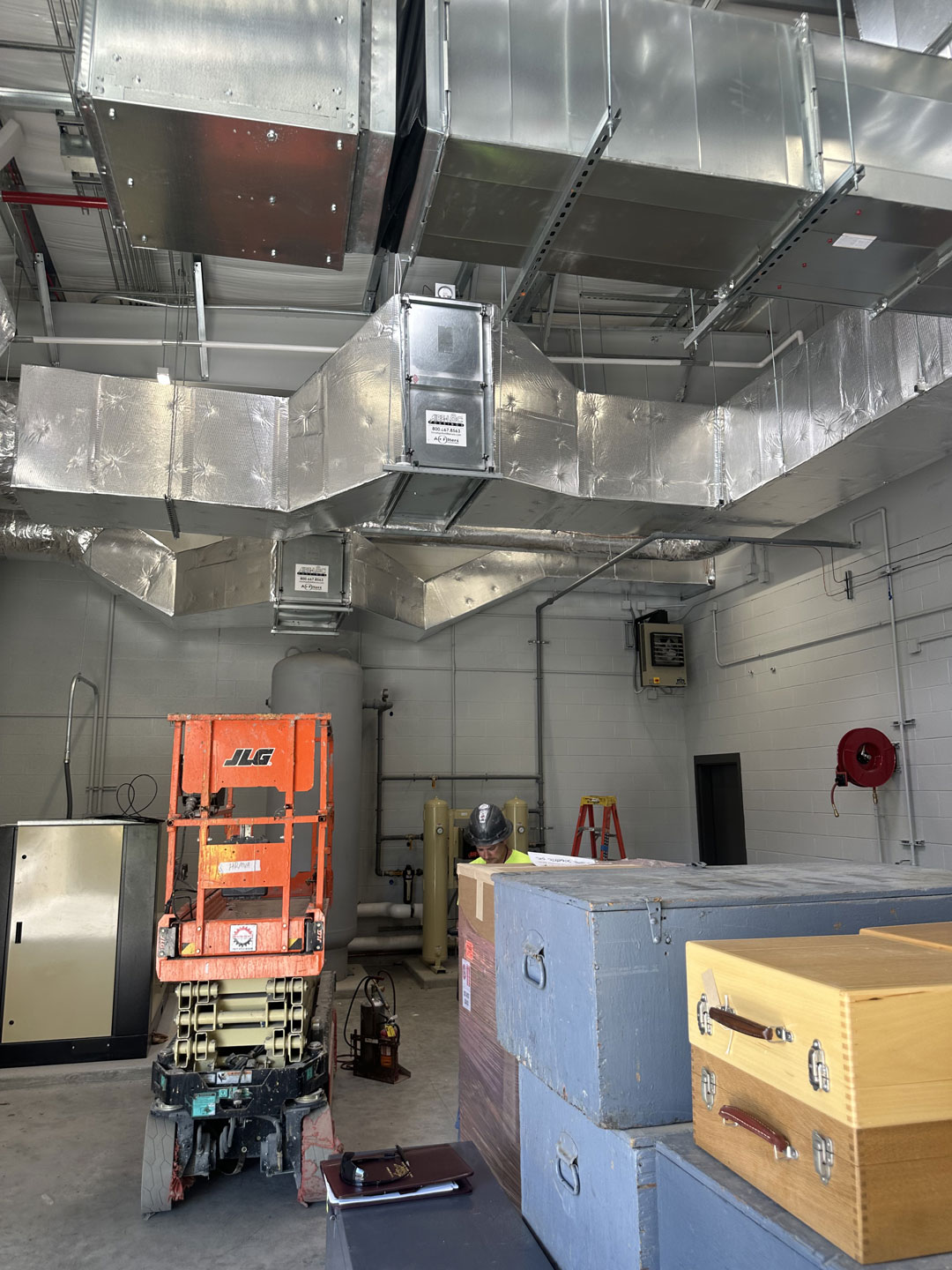
The Virginia Department of Transportation (VDOT) identified a critical need to mitigate airborne crystalline silica dust generated during concrete testing and material preparation processes. Silica dust is a known occupational hazard, and exposure to respirable crystalline silica can lead to severe respiratory diseases, including silicosis and lung cancer. To ensure compliance with Occupational Safety and Health Administration (OSHA) standards regarding permissible exposure limits (PELs), VDOT initiated an upgrade to their facility’s air quality control infrastructure.
Dealer name: Hoffman & Hoffman Inc.
Project name: Silica Dust Mitigation
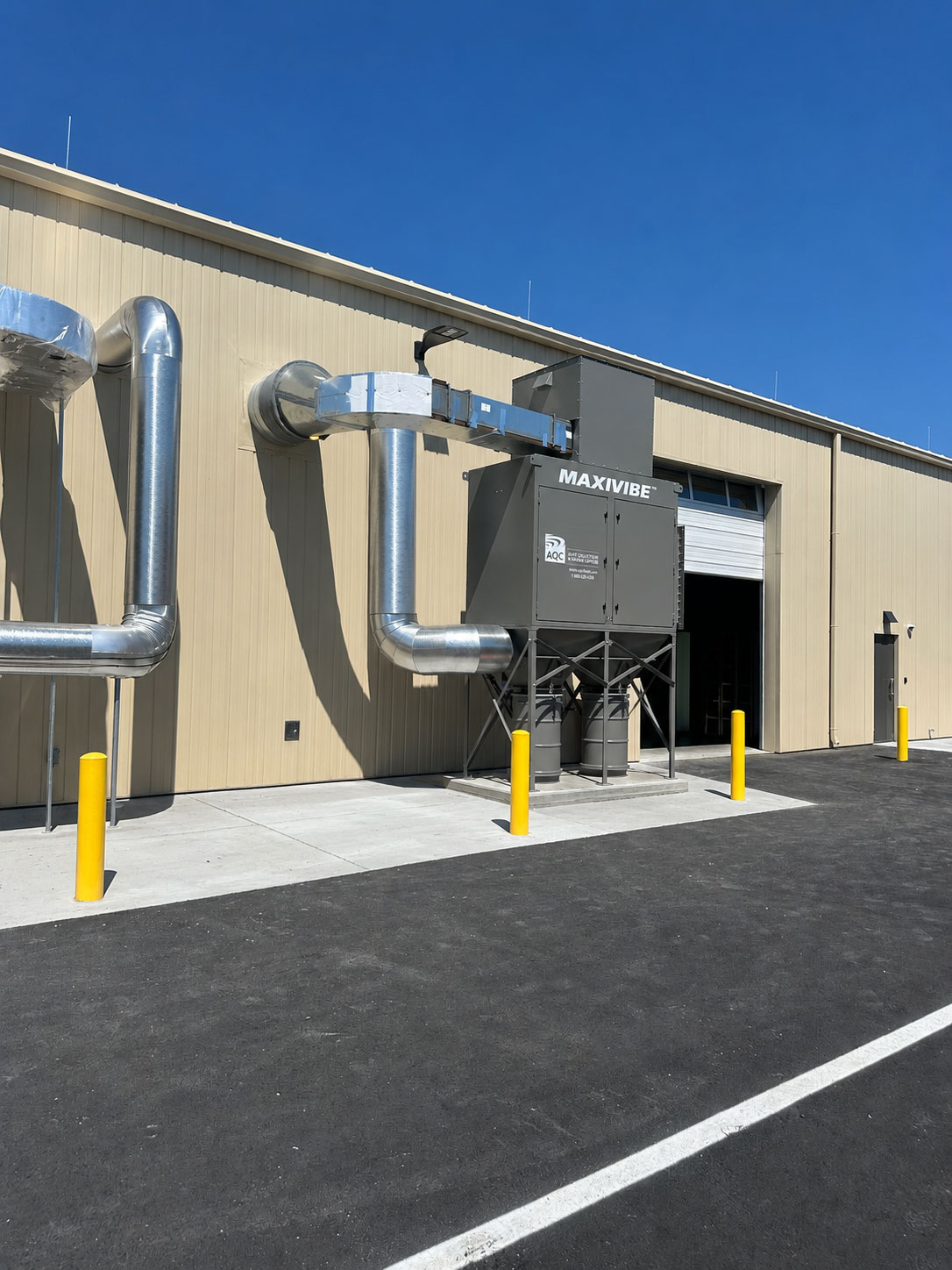
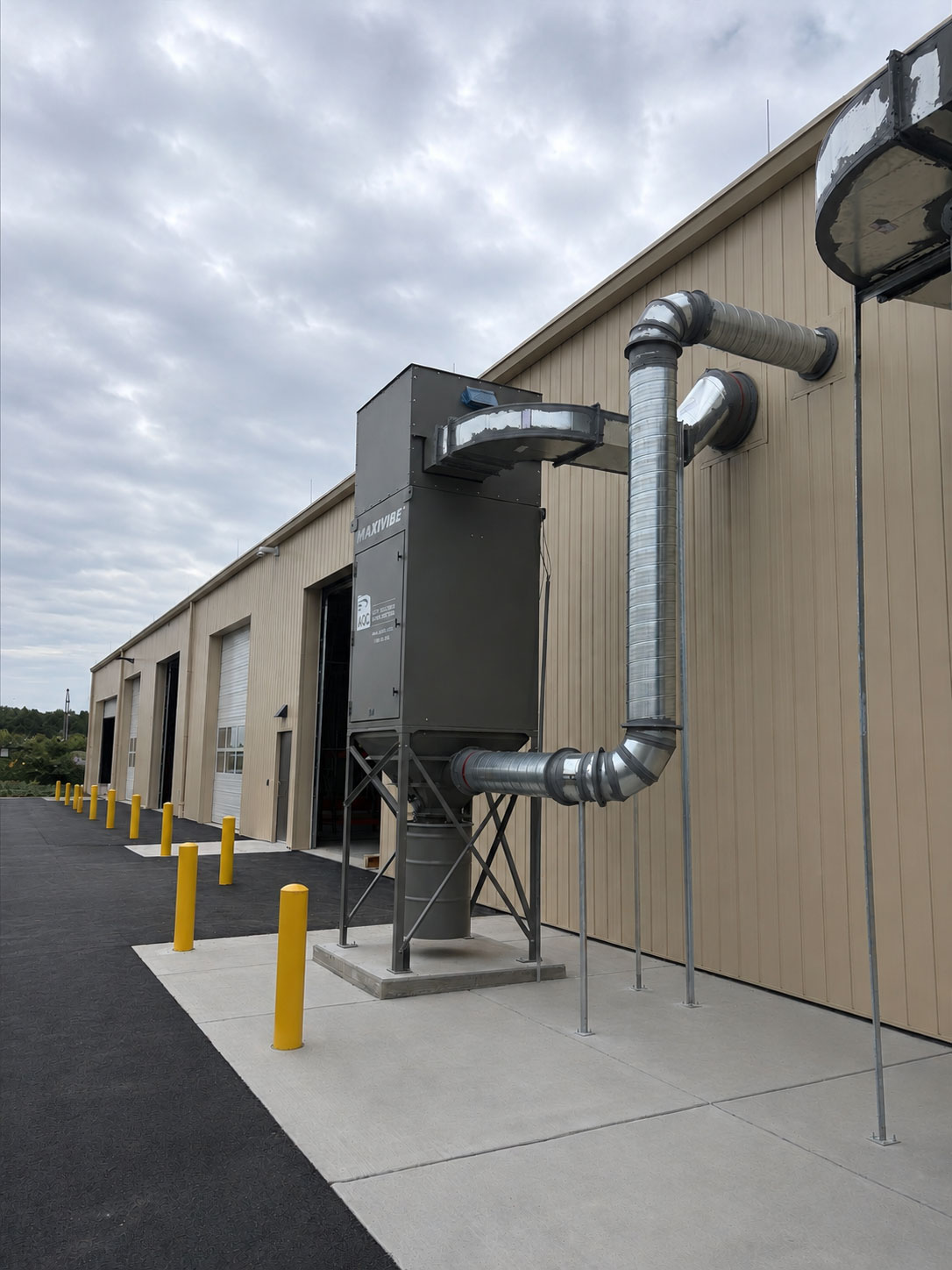
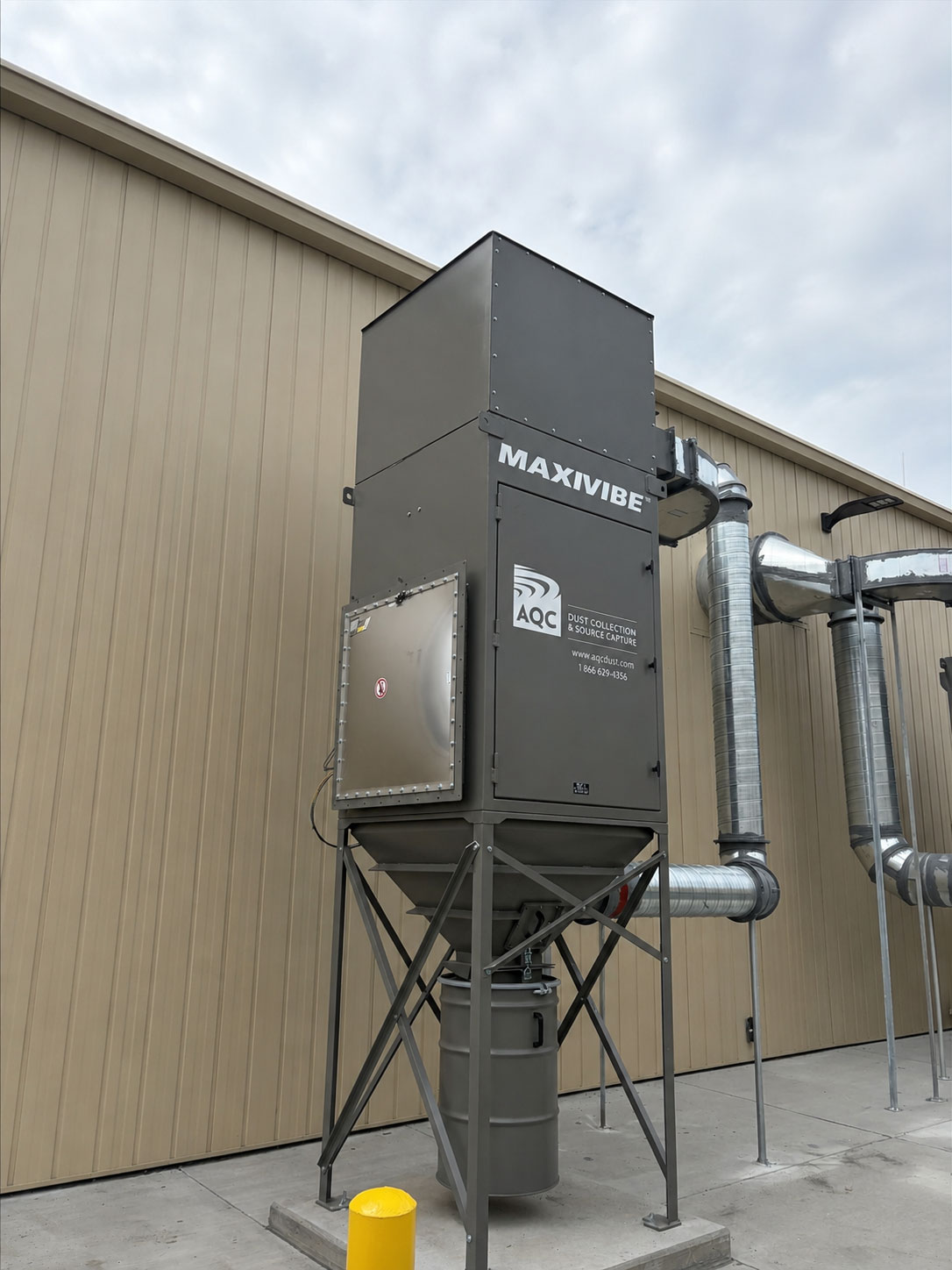
Product: AQC Dust Collector Model AMV570 and the larger Model AMV1140.
Model: Maxivibe
Application: Woodworking
Customer: Virginia Department of Transportation (VDOT)
Installation date: 2026-04-22
System Implementation
The project involved the installation of two high-efficiency dust collection units: the AQC Dust Collector Model AMV570 and the larger Model AMV1140. These units were selected for their robust design and ability to handle fine particulate matter. The primary filtration media utilized in these collectors are AQC Everclean filters, which are engineered to maintain high efficiency even under heavy dust loading conditions.
To address the specific risks associated with silica, the system design incorporated a multi-stage filtration approach. The dust-laden air is drawn into the collectors, where the Everclean filters capture the bulk of the particulate matter. To ensure the highest possible air quality before the air is recirculated back into the workspace, HEPA (High-Efficiency Particulate Air) after-filters were installed on the return air side of both units. This configuration ensures that even sub-micron particles, which are characteristic of respirable silica, are effectively trapped.
Operational Efficiency and Maintenance
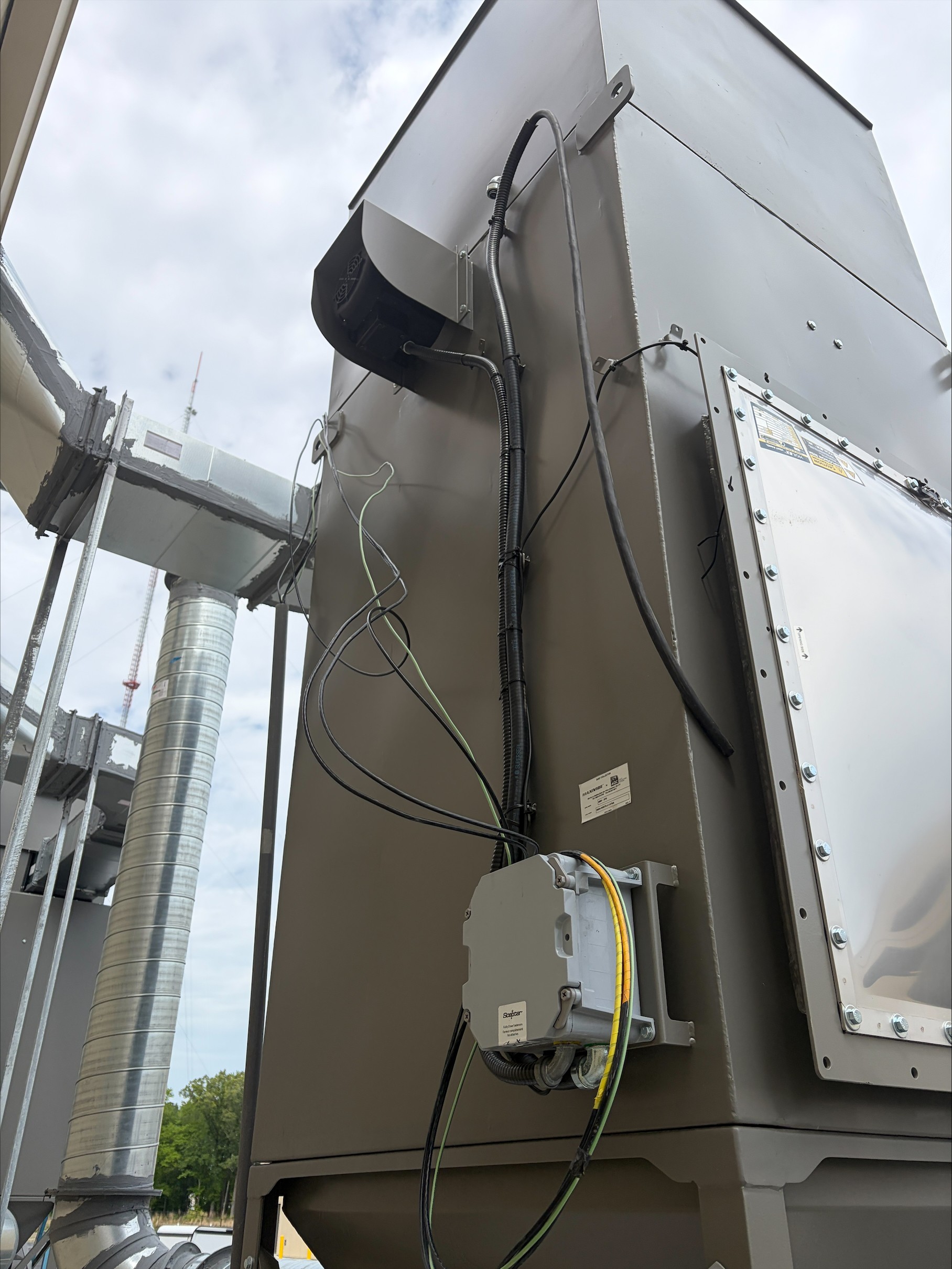
The dust collectors utilize an integrated mechanical shaker system to clean the main filters. By periodically vibrating the filter media, the shaker system dislodges accumulated dust cake, allowing it to fall into the collection hopper. This process is essential for maintaining consistent airflow and preventing the pressure drop across the filters from exceeding operational limits.
By utilizing the shaker mechanism to keep pressure drop low, the system maintains optimal suction at the source points. The use of these automated cleaning cycles reduces the frequency of manual maintenance and ensures that the VDOT facility remains in continuous compliance with environmental and safety regulations.
Conclusion
The installation of the AQC AMV570 and AMV1140 systems has provided VDOT with a reliable, high-performance solution for silica dust control. By combining high-efficiency primary filtration with HEPA-grade secondary filtration, the facility has successfully mitigated the risks associated with airborne contaminants, thereby enhancing employee safety and ensuring adherence to stringent health and safety standards.